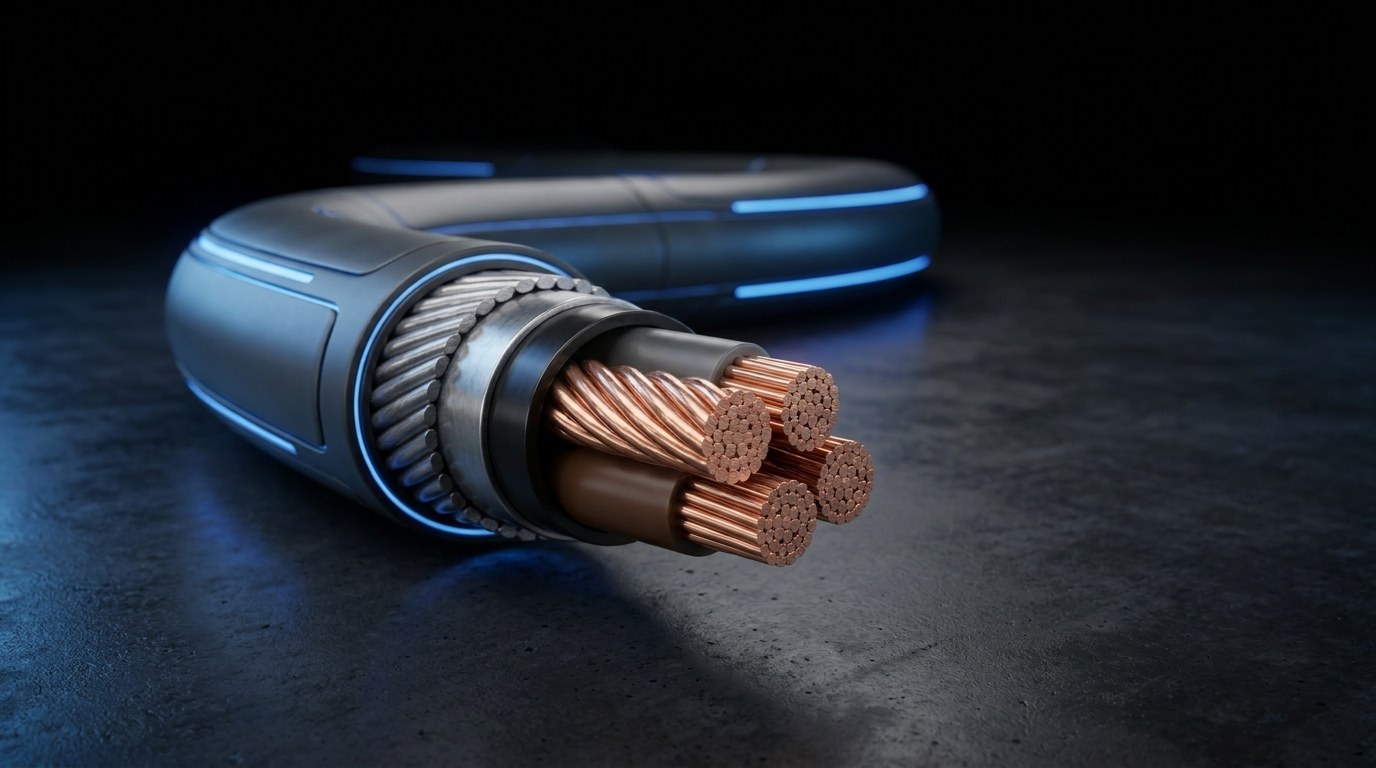
Evenson Power Emerging Development Cable covers the modern specialty range for clean energy and safety-critical systems: EV charging cables, solar PV cables, fire-resistant and mineral-insulated cables, low-smoke halogen-free cables, and flexing drag-chain cables.
Evenson Power Emerging Development Cable brings together the specialty cables driving the energy transition and modern safety-critical construction. As power systems electrify transport, harvest solar energy, and demand higher fire performance in occupied buildings, conventional cables are no longer enough. This range answers those needs with purpose-engineered constructions: electric-vehicle charging cables, solar photovoltaic (PV) cables, fire-resistant and mineral-insulated fireproof cables, low-smoke halogen-free (LSZH) cables, and high-flex drag-chain cables for automation.
Each product in the range is designed around a specific modern challenge, whether that is surviving 25 years of UV and weather on a solar farm, carrying high-power DC fast-charging current, or maintaining circuit integrity during a fire. Evenson Power develops these cables with advanced polymer compounds and quality copper conductors to deliver dependable performance in the most demanding new-energy and infrastructure applications.
The Emerging Development range is organized around the applications shaping modern electrical infrastructure. Solar PV cables interconnect modules and feed DC power to inverters, demanding extreme UV, ozone, and temperature resistance over a multi-decade design life. EV charging cables link vehicles to AC and DC charging equipment, requiring flexibility, abrasion resistance, and the ability to handle high-power fast charging.
Fire-performance cables, including inorganic mineral-insulated fireproof cables and flame-retardant B1-grade cables, maintain safety and circuit integrity in buildings, tunnels, and transit systems. Low-smoke halogen-free cables minimize toxic smoke and corrosive gases in a fire, protecting people and equipment, while drag-chain cables deliver millions of flex cycles in automated machinery.
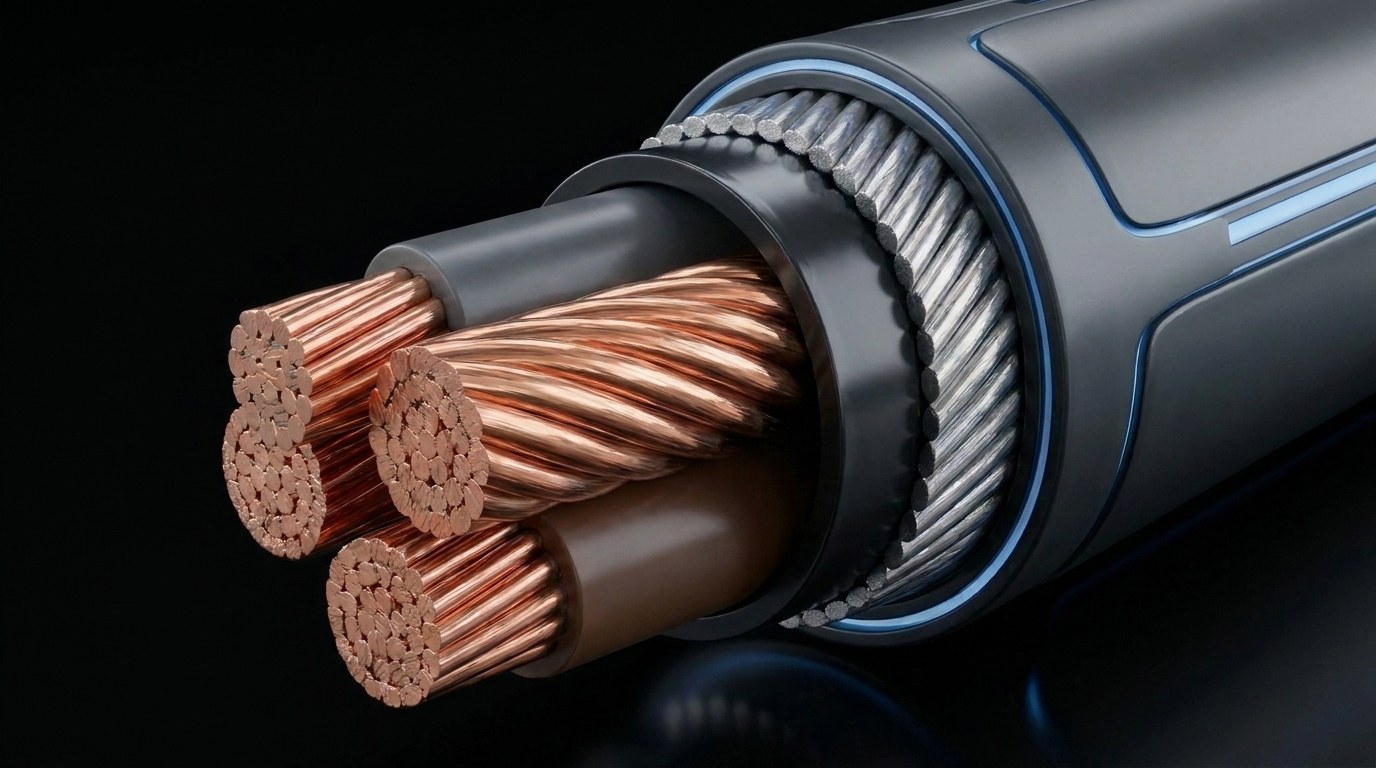
Construction varies by application to meet each cable’s unique demands. Solar PV cables use flexible tinned-copper Class 5 conductors to EN 60228 with a halogen-free cross-linked LSZH (LS0H-XL) insulation and sheath engineered for UV, ozone, and weather resistance. EV charging cables use fine-stranded Type 5 or Type 6 annealed copper, often tin-plated, with rubber or XLPE insulation and a wear-resistant rubber or thermoplastic elastomer (TPE) sheath; multi-element designs also incorporate control and signal cores for charge communication.
Fire-performance cables take different forms: inorganic mineral-insulated fireproof cables use copper conductors with compacted mineral insulation and a metallic sheath for outstanding heat and fire resistance, while flame-retardant and LSZH cables use special halogen-free polymer compounds that resist flame propagation and emit minimal smoke and corrosive gas. Drag-chain cables use highly flexible stranded conductors and abrasion-resistant sheaths optimized for continuous motion.
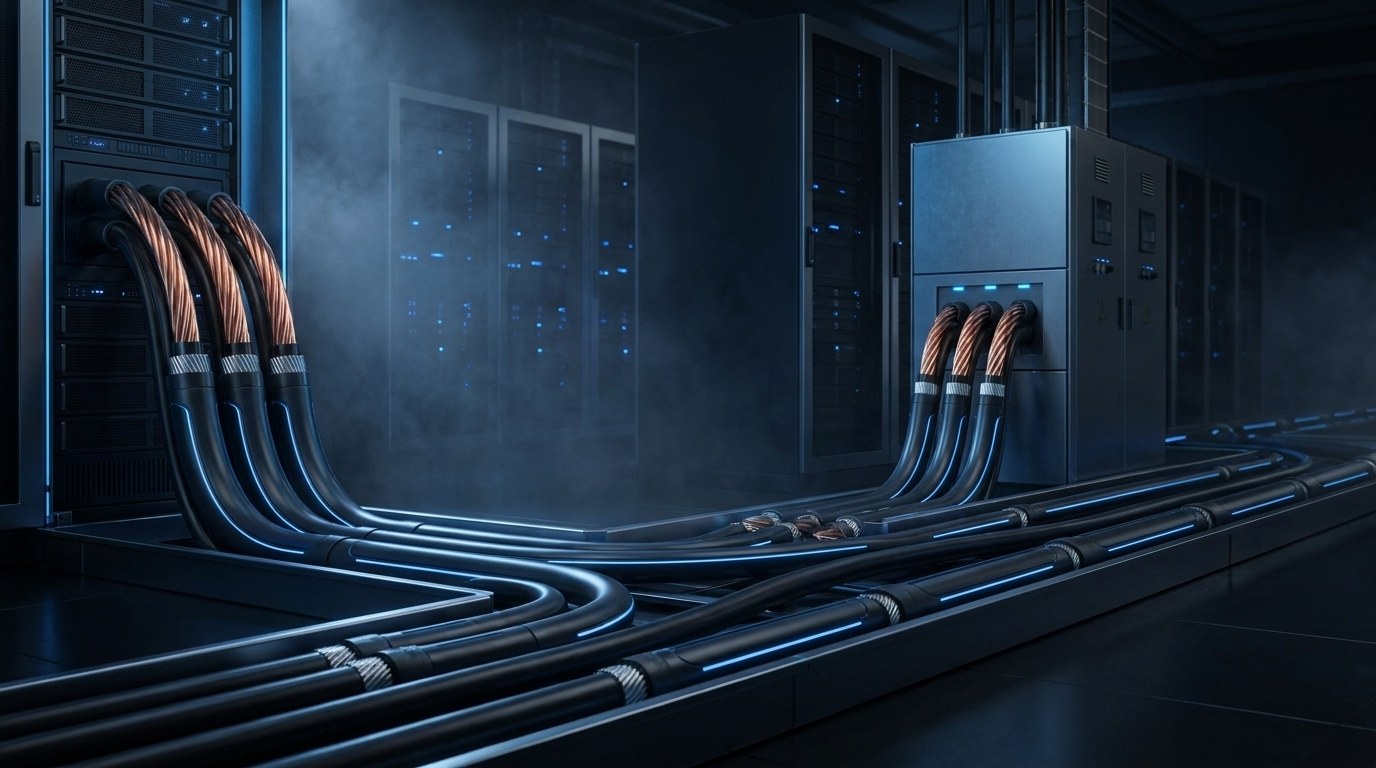
Ratings span the needs of each specialty. Solar PV cables are typically rated AC 0.6/1kV and DC 1.8kV, in sizes from 1.5mm² to 240mm², with operation from -40°C to +90°C continuous, a maximum conductor temperature of 120°C, and a 25-year design life. EV charging cables are rated from 450/750V up to 1500V for AC or DC service, with continuous operation up to 90°C and sizes scaling to large cross-sections such as 70mm² for high-power DC fast charging.
Fire-performance and LSZH cables are generally rated 0.6/1kV and below, with drag-chain cables typically at 300/500V and below. Mineral-insulated fireproof cables provide the highest fire-survival performance, maintaining circuit integrity at elevated temperatures during a fire event.
Each cable in the range is optimized for its mission. Solar PV cables resist UV, ozone, and weather for decades, lowering the lifetime cost of solar installations. EV charging cables combine flexibility with abrasion and weather resistance so charging leads survive daily plugging, dragging, and outdoor exposure. Mineral-insulated and fire-resistant cables keep critical circuits, such as alarms, smoke extraction, and emergency lighting, energized during a fire.
Low-smoke halogen-free cables dramatically reduce toxic smoke and corrosive acid-gas emission in a fire, improving life safety and reducing collateral damage to electronics. Drag-chain cables deliver long flex life in moving automation, cutting maintenance and downtime. The common thread is engineered reliability for high-value, safety-critical, and long-life applications.
Applications span the fastest-growing segments of the electrical industry. Solar PV cables serve rooftop, ground-mount, and utility-scale photovoltaic plants, connecting modules into strings and feeding inverters. EV charging cables serve public and private charging stations, fast-charging hubs, and the connections between charging equipment and pure-electric, hybrid, and fuel-cell vehicles.
Fire-resistant, mineral-insulated, and LSZH cables are specified for tunnels, metros, airports, hospitals, high-rise buildings, and other public spaces where fire safety is paramount. Drag-chain cables are used in robotics, machine tools, gantries, and automated material handling where continuous flexing is required.
Evenson Power specialty cables are built to the relevant international and regional standards for each type. Solar PV cables comply with EN 50618 and the TÜV 2PfG 1169 specification, verified by UV, ozone, weathering, and long-term thermal endurance testing. EV charging cables follow established EV-cable construction practice with conductors to recognized stranding classes and testing for flexing, abrasion, and thermal performance.
Fire-performance cables are evaluated for flame propagation, circuit integrity under fire, smoke density, halogen content, and acid-gas emission, supporting LSZH and B1 reaction-to-fire requirements. Mineral-insulated cables undergo fire-survival testing to confirm continued operation at high temperatures. Every cable is subject to standard electrical and dimensional verification.
Because the range is diverse, installation should follow the guidance for the specific cable type. Solar PV cables should be routed to minimize mechanical stress and secured with UV-stable fixings; observe the minimum bending radius and protect cables from sharp module frames and roof edges. EV charging leads benefit from proper strain relief at the connector and from being stored on a holster or reel to avoid abrasion and crushing.
Fire-resistant and mineral-insulated cables must be installed with fire-rated supports and seals to preserve their fire performance, and LSZH cables should be terminated with compatible, halogen-free accessories where required. Drag-chain cables must be laid loosely in the chain with the correct bending radius and without twisting to achieve their rated flex life.
Evenson Power consolidates the specialty cables of the energy transition and modern fire-safe construction into one engineered, standards-aligned range. Customers building solar farms, EV charging networks, and safety-critical infrastructure can source proven, application-matched cables from a single trusted brand, backed by rigorous testing and clear technical documentation.
By investing in advanced compounds and quality copper, Evenson Power delivers emerging-technology cables that perform reliably over long service lives in the most demanding environments, helping projects meet both performance targets and safety obligations.
| Range | EV charging, solar PV, fire-resistant, LSZH, drag-chain |
| Conductor | Class 5/Type 5–6 flexible copper (tinned or bare) |
| Solar PV insulation | Halogen-free cross-linked LSZH (LS0H-XL) |
| EV charging sheath | Wear-resistant rubber or TPE |
| Fireproof type | Inorganic mineral-insulated, metallic sheath |
| Solar PV voltage | AC 0.6/1kV; DC 1.8kV |
| EV charging voltage | 450/750V up to 1500V (AC/DC) |
| Fire/LSZH voltage | 0.6/1kV and below |
| Drag-chain voltage | 300/500V and below |
| Solar PV sizes | 1.5 – 240 mm² |
| Solar PV temperature | -40°C to +90°C (120°C max conductor) |
| EV charging temperature | Up to +90°C continuous |
| Solar PV design life | 25 years |
| Standards | EN 50618, TÜV 2PfG 1169; LSZH/B1 fire performance; mineral-insulated fire survival |
| Key properties | UV/ozone resistant, low smoke, zero halogen, fire resistant, high flex |
Engineered, certified and delivered under the Evenson Power name.