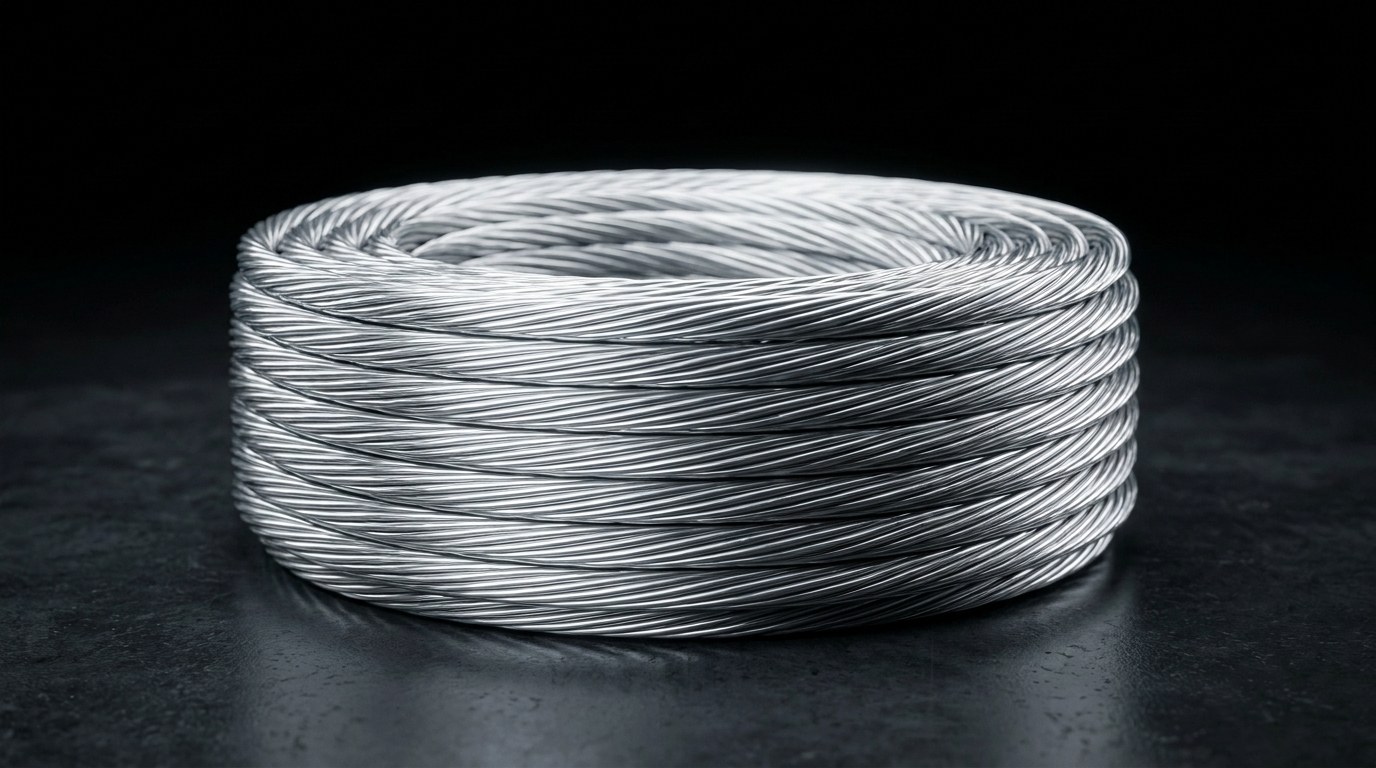
Evenson Power bare overhead conductors provide the strength-to-weight performance that long-span transmission and distribution lines demand.
Bare overhead conductors carry electrical power across the open spans of transmission and distribution networks, where insulation is replaced by air and clearance. Evenson Power manufactures a full family of bare conductors engineered to deliver the optimum balance of conductivity, mechanical strength, and weight for every line design. Because these conductors operate exposed to the elements, every aspect of their metallurgy, stranding, and surface finish is controlled to guarantee predictable electrical and mechanical behavior over a service life that routinely exceeds forty years.
Whether the requirement is maximum ampacity, long unsupported spans, or minimum sag in high-temperature conditions, Evenson Power offers a conductor construction to match. Decades of overhead-line engineering experience are built into every stranding pattern and alloy selection, so designers can specify with confidence that the conductor will meet its rated breaking load, resistance, and sag-tension performance. From compact urban feeders to long-span transmission crossings, the Evenson Power range provides a consistent, well-documented foundation for reliable overhead power.
Evenson Power produces the four principal families of bare overhead conductor, each optimized for a different combination of strength and conductivity. All-Aluminum Conductor (AAC) maximizes conductivity for shorter spans. All-Aluminum Alloy Conductor (AAAC) adds strength while resisting corrosion. Aluminum Conductor Steel Reinforced (ACSR) uses a steel core for maximum tensile strength and long spans. Aluminum Conductor Alloy Reinforced (ACAR) blends EC-grade aluminum with aluminum-alloy reinforcement for an excellent strength-to-conductivity ratio.
This range lets utilities and contractors select exactly the right conductor for span length, terrain, ice and wind loading, and target ampacity, all from a single trusted source.
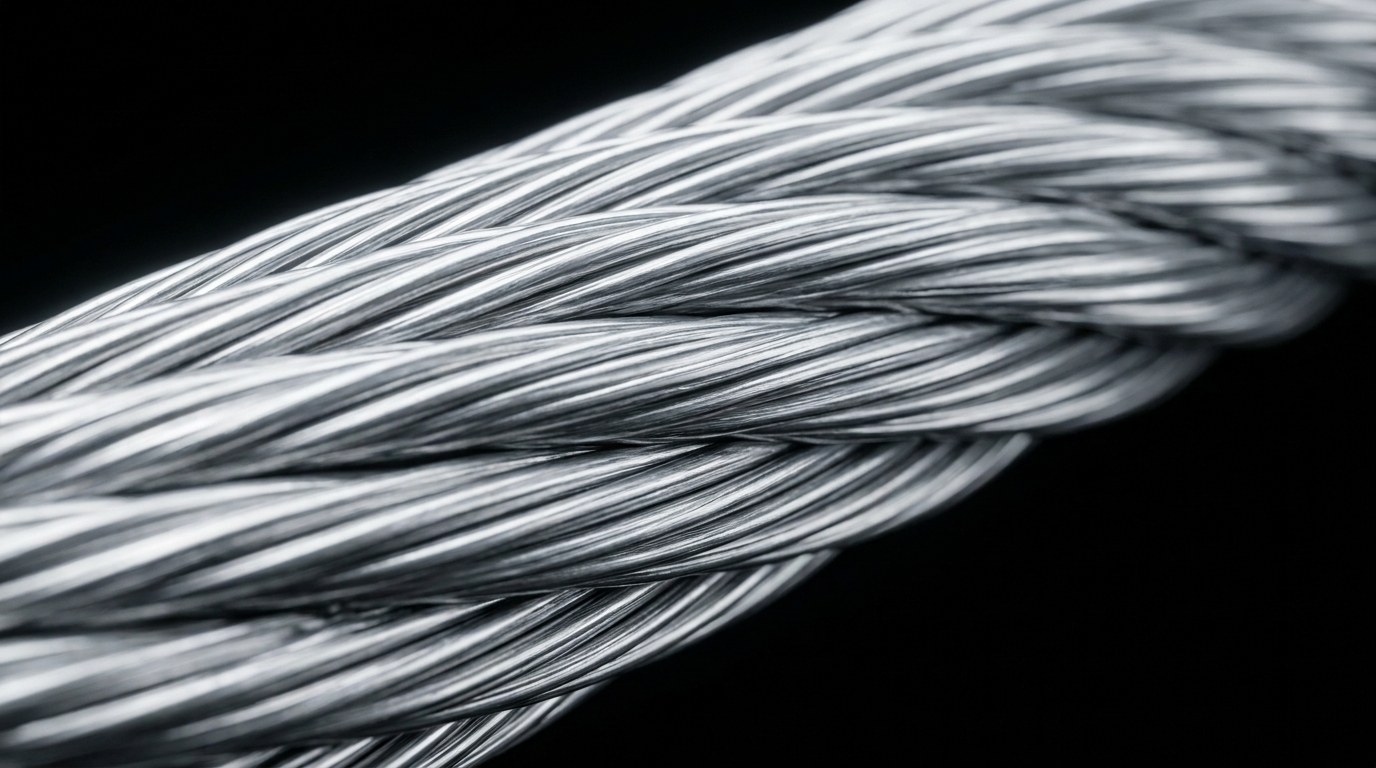
Evenson Power bare conductors are concentrically stranded from round wires drawn to precise diameters. The number and arrangement of strands is defined by the conductor code, for example a 6/1 or 26/7 ACSR designation describing aluminum and steel strand counts.
Aluminum strands are produced from 1350-H19 electrical-grade aluminum for AAC and the aluminum layers of ACSR, while AAAC uses high-strength 6201-T81 aluminum alloy. ACSR cores use high-strength galvanized or aluminum-clad steel. Strands are laid in alternating directions layer by layer to produce a stable, flexible, and dimensionally accurate conductor.
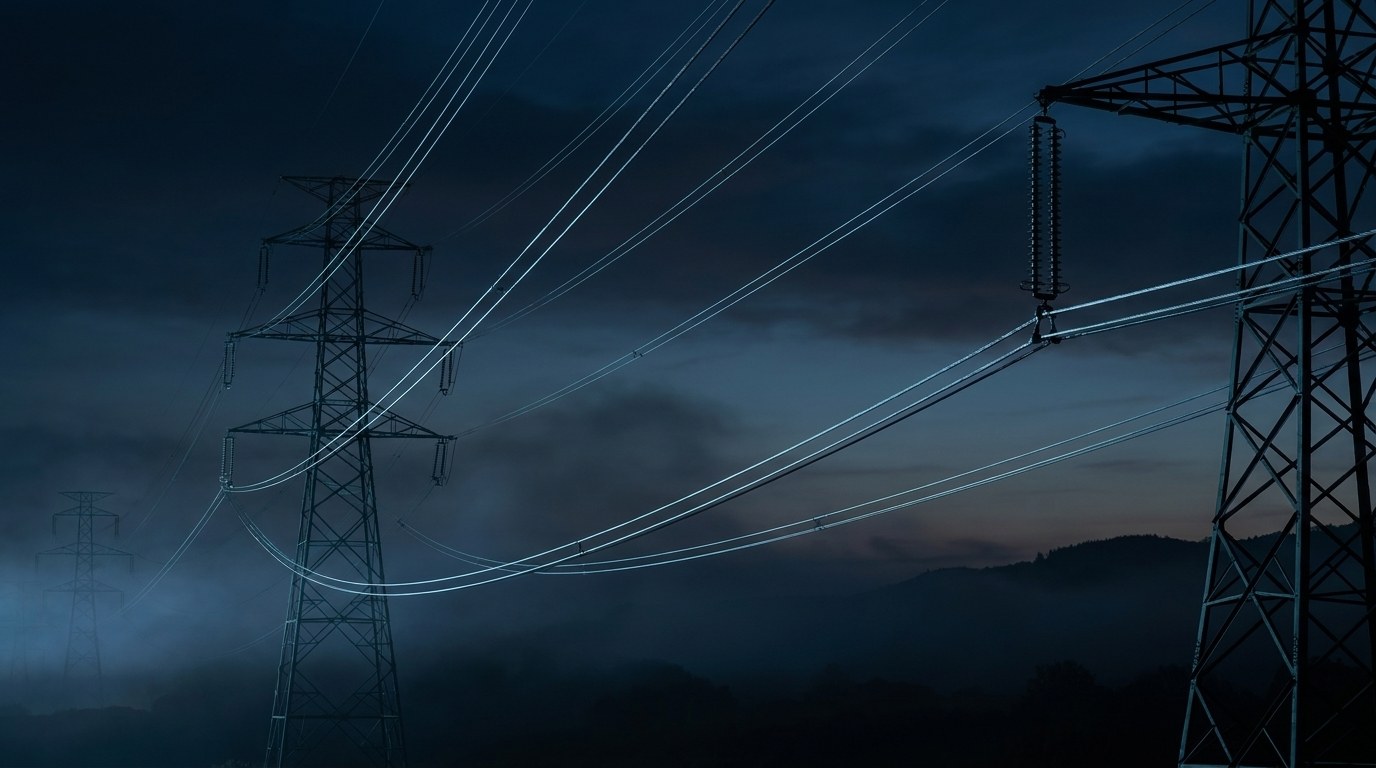
Evenson Power bare conductors are available across the full standard size range used in transmission and distribution, identified both by metric cross-section and by the familiar code-word and AWG/kcmil systems. From small distribution sizes through large bundle-conductor sections, the range covers utility, industrial, and rural electrification needs.
Each conductor is supplied to its published electrical and mechanical data so designers can calculate sag, tension, and ampacity with confidence.
Bare conductors must survive decades of mechanical and environmental stress with no insulation to protect them. Evenson Power conductors are engineered for exactly this duty, combining high conductivity with the tensile strength needed to resist wind, ice, and thermal cycling while keeping sag within design limits. The choice of construction lets the designer fine-tune the trade-off between current-carrying capacity and mechanical strength for each specific line.
Lightweight aluminum and alloy strands reduce the structural loading imposed on towers and poles, lowering overall project cost, while steel or alloy reinforcement in ACSR and ACAR delivers the strength required for the longest spans. The smooth, concentrically stranded surface minimizes wind drag and corona effects, and the corrosion resistance of alloy designs makes them especially suited to coastal and industrial atmospheres where conductor longevity is critical.
Evenson Power bare conductors are used throughout overhead power infrastructure. AAC and AAAC suit urban and coastal distribution where spans are moderate and corrosion is a concern. ACSR is the workhorse of long-span transmission and river crossings, while ACAR offers an efficient option for both transmission and heavy distribution.
Evenson Power bare conductors are manufactured and verified to international and North American standards governing dimensions, mechanical strength, and electrical resistance. Each reel is supplied with documented test data covering breaking load, conductor resistance, and strand quality.
Testing follows ASTM, IEC, and BS frameworks appropriate to the conductor type, ensuring the conductor meets its rated ampacity and tensile performance.
Bare conductors are installed under controlled tension using stringing equipment that avoids nicks, kinks, and crushing. Evenson Power conductors are wound on robust reels and protected for transport so they arrive in field-ready condition.
Correct stringing tension and the use of appropriate dead-end, splice, and suspension hardware ensure the conductor achieves its design sag and long-term reliability. Aluminum-bodied conductors should be handled to avoid scoring of the outer strands.
Evenson Power bare conductors are produced from premium electrical-grade aluminum, alloy, and steel, stranded under tight process control to deliver consistent mechanical and electrical performance. Every conductor is documented and traceable, giving line designers and utilities the data they need to build with confidence.
With AAC, AAAC, ACSR, and ACAR available from one source, Evenson Power simplifies procurement while ensuring each line gets exactly the conductor it needs for reliable, long-life overhead power delivery.
| Conductor types | AAC, AAAC, ACSR, ACAR |
| Aluminum grade | 1350-H19 electrical-grade (AAC/ACSR) |
| Alloy grade | 6201-T81 aluminum alloy (AAAC) |
| Reinforcement | Galvanized / aluminum-clad steel (ACSR); alloy (ACAR) |
| Stranding | 7, 19, 37, 61 wires; ACSR 6/1, 26/7, 54/7, etc. |
| Cross-section range | 16–1000 mm² and larger |
| Sizing systems | Metric mm² and AWG/kcmil code words |
| Conductor surface | Bare (uninsulated) |
| Conductivity (AAC) | ≈ 61% IACS |
| Conductivity (AAAC) | ≈ 52.5% IACS |
| Continuous temperature | Typically up to 75–90°C |
| Application | Overhead transmission and distribution |
| Corrosion resistance | High (AAAC / alloy), good (AAC/ACSR) |
| Standards | ASTM B231/B232/B398/B399/B524, IEC 61089, BS EN 50182 |
| Tests | Breaking load, DC resistance, dimensional, strand quality |
| Packaging | Steel or wooden reels, sealed and marked |
Engineered, certified and delivered under the Evenson Power name.